While ultra-slow jogging offers a low-impact, accessible way to improve cardiovascular health and aid weight loss, orthopedic specialist Dr. Wu Lung-Te cautions that injuries can still occur. Originating in Japan, this exercise, performed at speeds of 4-6 km/h with a higher cadence than brisk walking, aims to minimize joint impact while enhancing muscle strength and endurance. However, Dr. Wu stresses the importance of proper form, including a specific foot-to-ground contact sequence and avoiding excessive stride length or heel striking, to prevent issues like plantar fasciitis and Achilles tendinitis.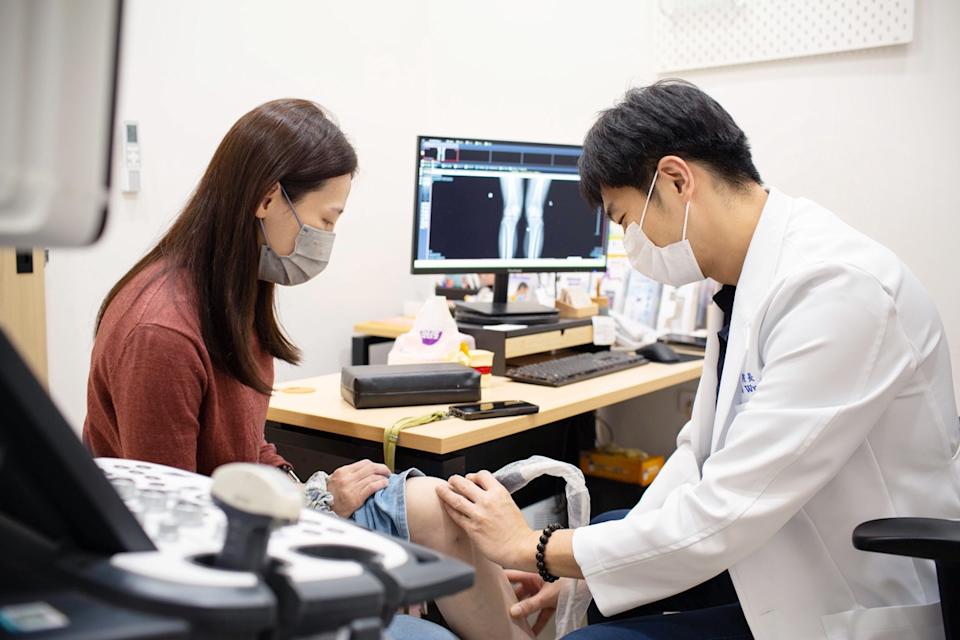
For individuals with pre-existing knee problems, obesity, or muscle degeneration, particularly seniors, even this modified form of running can pose a risk to knee and ankle joints. Dr. Wu advises thorough warm-ups and prompt medical attention if discomfort arises.

For knee injuries, treatment options range from conservative methods like medication and physical therapy to more invasive procedures. Hyaluronic acid injections are common for joint degeneration and sports injuries. When conservative treatments fail, regenerative therapies such as PRP and PLT are considered. These therapies utilize concentrated growth factors from the patient’s own blood to promote tissue repair. PLT offers an advantage with quantified platelet and growth factor levels, allowing for more stable and personalized dosage.
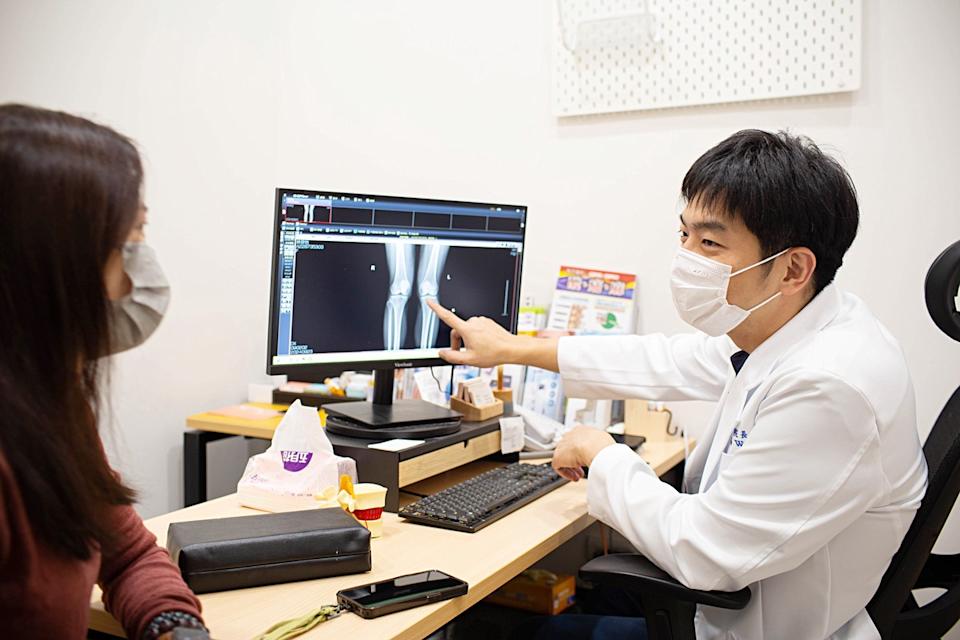
Dr. Wu emphasizes that while exercise is crucial for maintaining physical function and mitigating age-related decline, any sport-related injury necessitates professional medical consultation. Tailored treatment plans, based on detailed diagnosis and patient communication, are essential for effective recovery.